


How to Spot a Phishing Email or Text
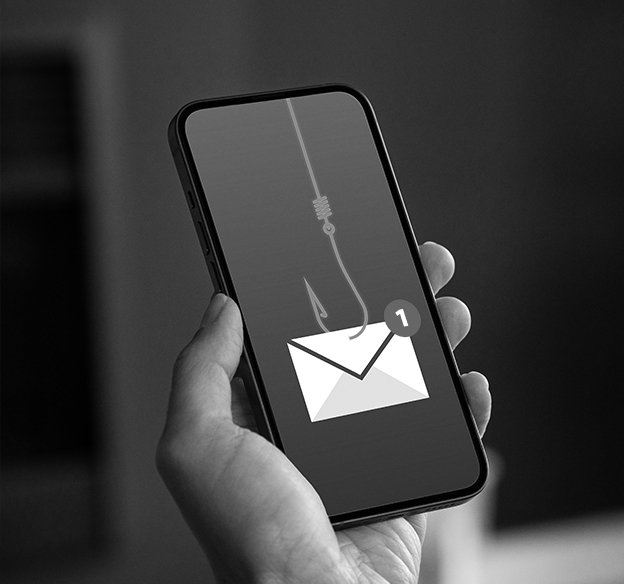
How to Spot a Phishing Email or Text
Phishing scams are designed to trick you into giving away personal information, passwords, or account details. They often look like messages from a company or person you trust, but usually have clues that something isn’t right.
Watch for These Red Flags
- Urgent messages: Be cautious of messages saying you must act immediately to avoid losing access to your account.
- Suspicious links: Don’t click links in unexpected emails or texts. Instead, visit the company’s official website or app directly.
- Requests for personal information: Your credit union will never ask you to provide sensitive information through an unexpected email or text.
- Unexpected attachments: Don’t open attachments from people or organizations you don’t recognize.
- Something feels off: Poor spelling, unusual email addresses, strange formatting, or unexpected messages can all be warning signs.
- Suspicious timing: Legitimate alerts can come at any time, but scammers often target holidays and long weekends for phishing attacks. This gives them extra time to access your account before you notice! Be extra cautious of messages received around holidays and weekends.
When in Doubt, Don’t Click
If you receive a message that appears to be from your credit union and you’re unsure whether it’s legitimate, don’t click, reply, or call the number provided in the message.
Instead, contact us using a trusted phone number or visit our official website. Taking a moment to stop and verify can help protect your information and your money.